A new hope
Around 30 million people around the world have a life-threatening or chronically debilitating rare disease, with children disproportionately affected. Yet research into treatments for such conditions is hampered by small trial sizes and a lack of financial incentives for pharmaceutical companies. New artificial intelligence models, however, offer the potential to identify cheap, pre-existing drugs that could deliver breakthrough treatments. Harriet Salem meets the researchers, doctors and parents searching for unlikely breakthroughs
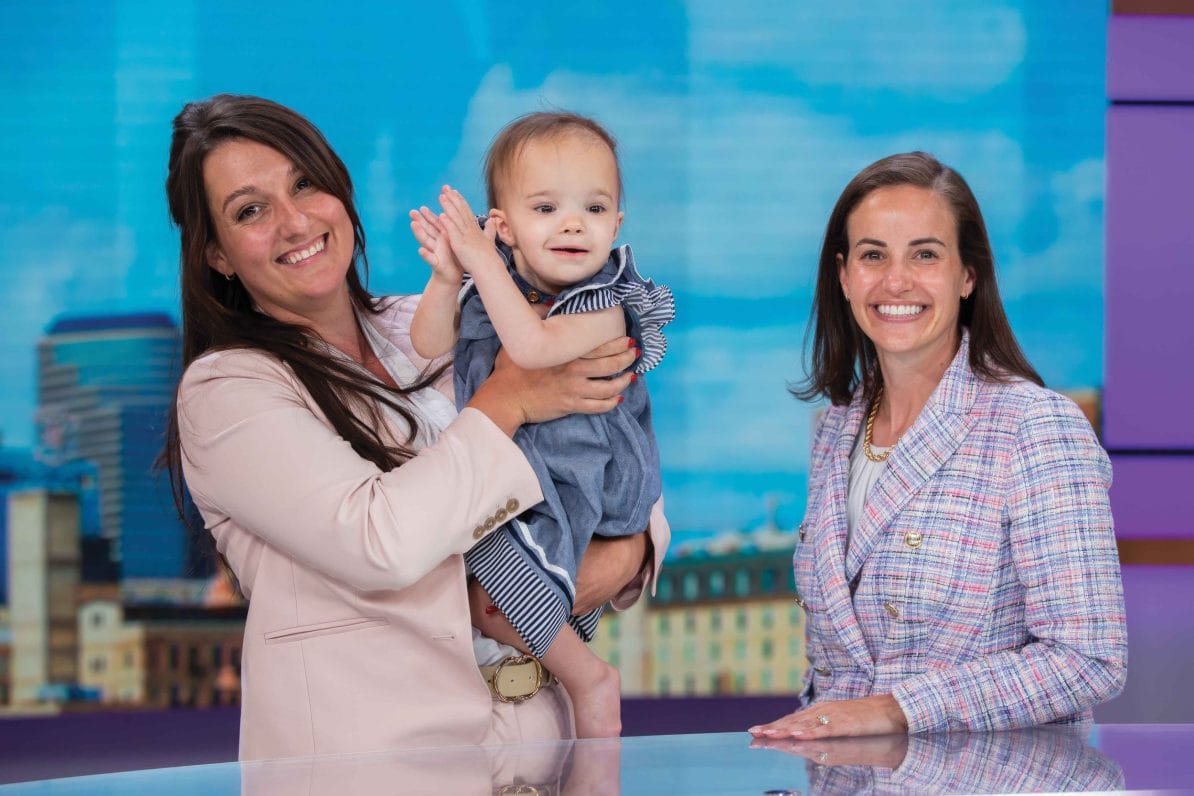
Jorie Kraus, who has DESSH syndrome, with doctors Whitney Thompson and Laura Lambert. Photo: Kare 11
28th February 2026 (Taken from: #62)
When a child hits a milestone, their parents’ hearts burst with pride. But when two-year-old Jorie Kraus took her first toddling steps, tentatively trundling her baby walker across the sitting room floor at her family’s Minnesota home, her parents, Joanie and Dave Kraus could hardly believe their eyes. Not long after she was born, doctors had told Jorie’s parents that she had DeSanto-Shinawi Syndrome (DESSH), an ultra-rare and untreatable genetic neurodegenerative disorder. Individuals with DESSH commonly experience learning difficulties and developmental delays, particularly in motor skills such as walking.
“She was like the Leaning Tower of Pisa, she’d just kind of tilt and fall forward; then she suddenly went from that to walking,” Joanie tells me. Then Jorie mastered the stairs too. Within days she also began to babble. “Almost overnight, it was like the lights had just been turned on,” says Joanie. It was a miraculous turnaround for the toddler.
More than 4,000 miles away in Brighton, UK, Dr Rob Galloway watched the home video of little Jorie tottering along on her Fisher-Price walker. He too was shocked. The clip from July 2025 was featured on a chat show on Kare 11, an NBC-affiliated local television channel in Minnesota. The show looked at how a specialised biomedical-AI programme had discovered that clonazepam – a drug used as a therapeutic for childhood epilepsy since the mid-1970s – could treat Jorie’s rare disorder.
Galloway, who is an emergency medicine doctor, watched the Kare 11 segment again and again. Like Jorie his daughter Frankie, who has just turned two, has DESSH. “To be honest, at first I didn’t believe it. I thought the AI stuff was hype. It was nothing we’d ever covered in our medical school training and I’d tried to find out everything about this condition and how to treat it and everything I found said it couldn’t be,” he tells me. “My brain was just in overdrive. I was thinking: ‘OK, is this real? How do I find out more? And if it is real, how can I get Frankie on it?”
Joanie’s pregnancy and Jorie’s birth weren’t easy. At her 20-week scan Joanie was told that her baby was likely to have a hole in her heart. Then, when Jorie was born prematurely at just 33 weeks by caesarean section, doctors at the Mayo Clinic in Rochester, Minnesota, discovered she actually had five heart defects as well as spinal and gastrointestinal abnormalities. “It was horrible, it was just thing after thing, but I remember thinking it’s going to be OK, because we can do surgeries – it’s fixable,” Joanie tells me. But when Jorie was just 10 days old the Krauses received some devastating news: a genomic sequencing test revealed that DESSH was the cause of their daughter’s health problems.
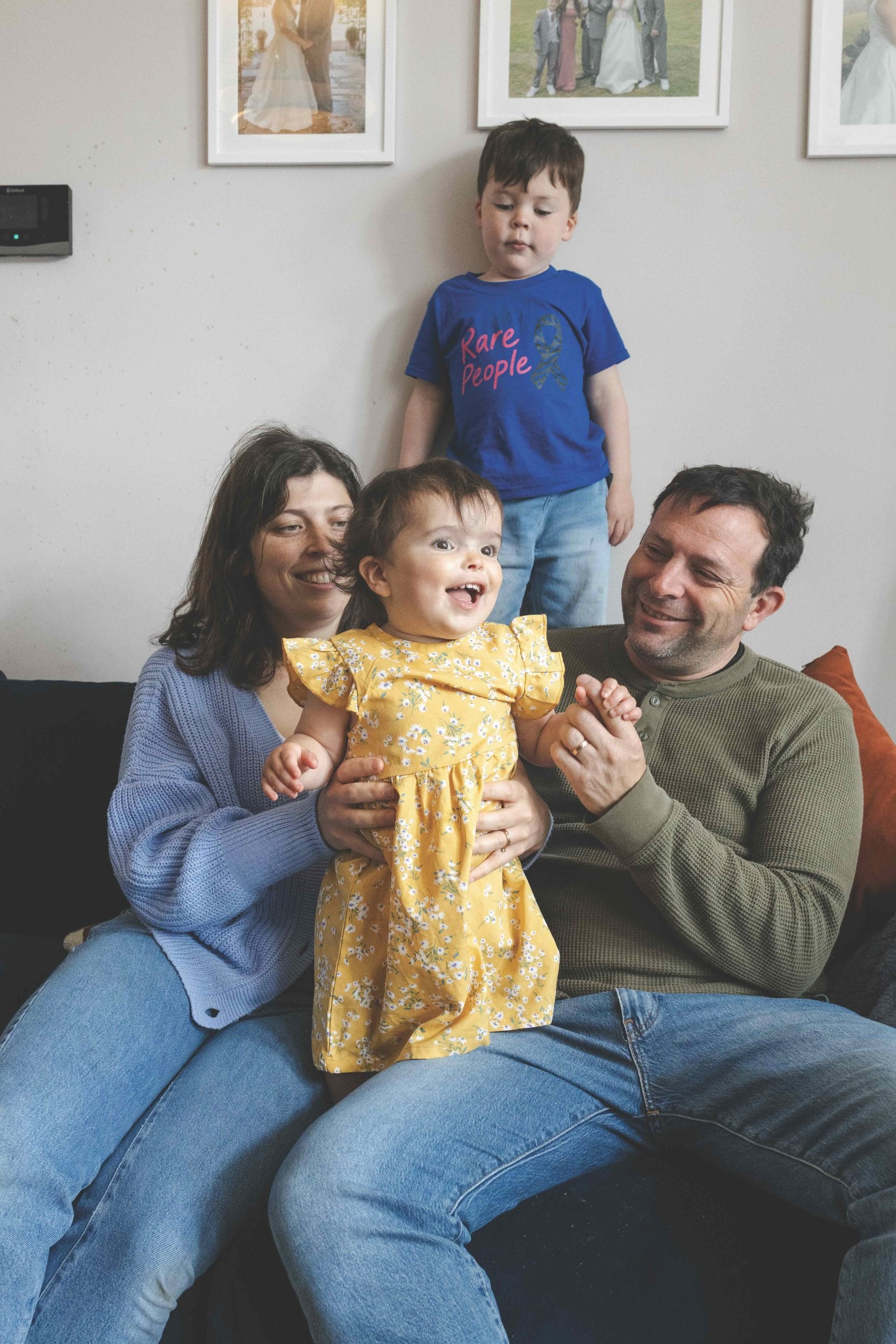
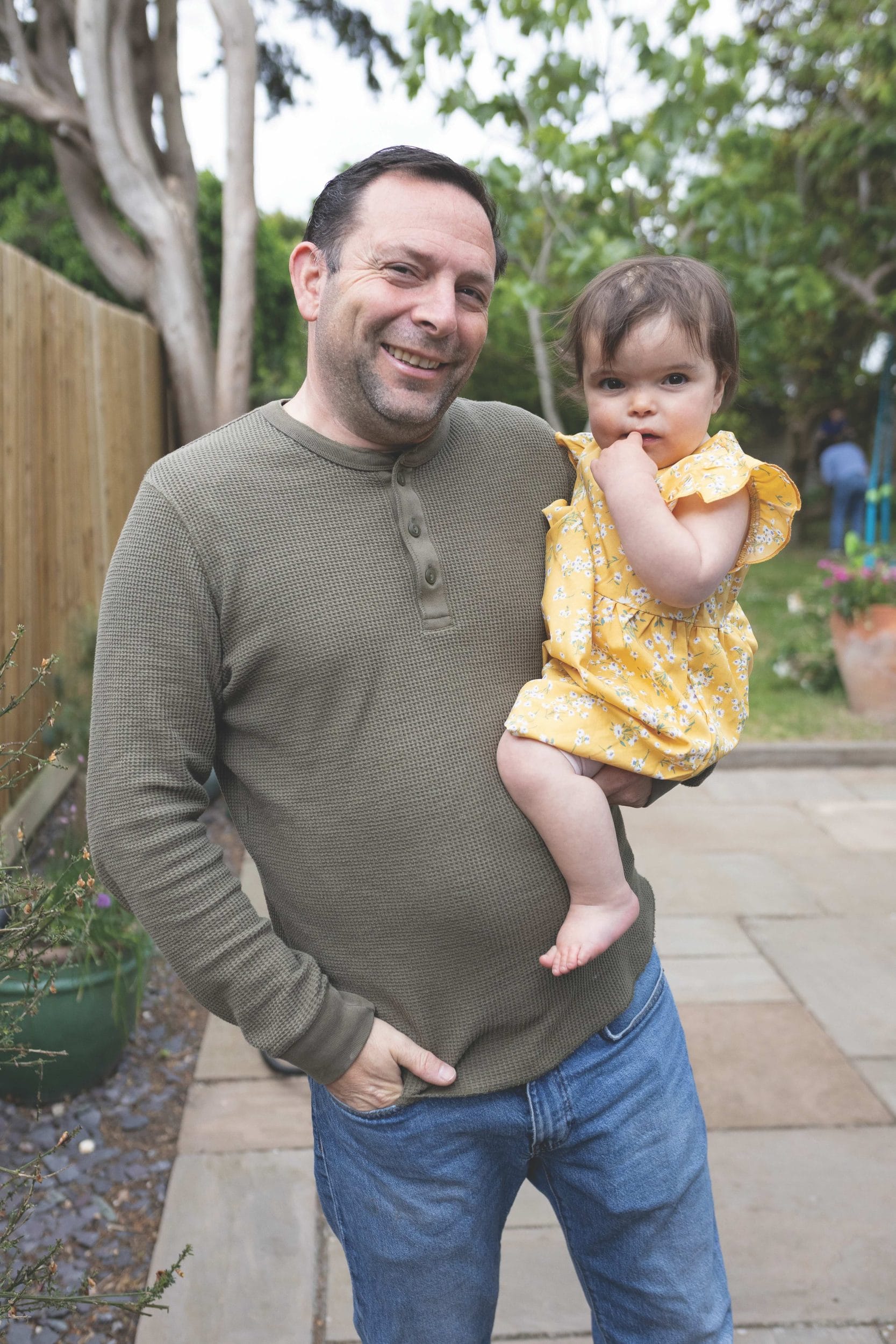
Dr Rob and Dr Laura Galloway, with their daughter Frankie, centre, who has the
ultra-rare DeSanto-Shinawi Syndrome (DESSH), which can cause motor skill and developmental delays
The couple were shocked. They had done genetic testing during the IVF process, but the condition hadn’t been picked up as it is caused by a spontaneous mutation that occurs during pregnancy rather than being inherited. DESSH was discovered in 2015 by Dr Cori DeSanto and Dr Marwan Shinawi, and more than a decade later there are still only around 300 people known to have the syndrome, according to the DESSH Foundation, a patient and family advocacy group.
Joanie recalls the doctors sitting her and Dave down. “We’d worried so much about her heart, but as it turned out that was the least of our concerns,” she tells me. “It’s just so hard to hear. They told us: ‘We’re going to keep on looking, but right now there’s really nothing available treatment-wise’.” Dave was so distraught he had to leave the room. “There’s no fix for this one, Joanie,” he told her.
DESSH is characterised by mutation or deletion of the WAC protein gene, crucial in brain development. The deficiency can cause motor skill and developmental delays, low muscle tone, epilepsy and autism-associated behaviours. “It’s just desperate really,” says Joanie. “You go from having all these hopes and dreams for your kid to just thinking: ‘Who’s going to take care of her when we’re gone? Will she ever be able to live independently?’”
Like many parents of children with rare diseases, Joanie coped by learning everything she possibly could about her daughter’s disorder. “I’d be up late at night reading, on Google looking up things like [gene-editing technology] CRISPR or asking ChatGPT about vector research,” she says. “You learn at a massive rate, you have to. People ask me: ‘Are you a doctor?’ And I’ll reply: ‘No I’m just a rare disease mom.’” Despite finding no positive answers in her online research, she clung on to a tiny scrap of hope, that the doctors who had promised they would keep searching for a treatment might find something. “I knew it was unlikely, but I held on to the chance, however small, that maybe there’d be a breakthrough,” she says.
Unbeknown to the Krauses, two physicians at the Mayo Clinic were working diligently on just that. Dr Whitney Thompson, who specialises in paediatrics and medical genetics, was one of the physicians working on the neonatal intensive care unit [NICU] when Jorie was diagnosed. Dr Laura Lambert, an early career biomedical scientist researching genetic diseases, had experience working with AI to find drugs that could be repurposed to treat conditions that had no known treatments. In April 2024, just under a year after Jorie was born, the two Mayo Clinic doctors teamed up to form BabyFORce. The project, the first of its kind focused on NICU (neonatal intensive care unit) babies, would use AI to search for drugs that can be repurposed to treat rare genetic disorders.
Jorie was their first patient. Using her unique genetic profile, Thompson and Lambert instructed an AI model to search the molecular data of thousands of existing drugs for ones that could potentially bolster her WAC protein production. The AI threw up seven potential matches. Clonazepam, which is cheap and readily available, was the most promising. Not only is the drug capable of crossing the blood-brain barrier, a factor that boded well for its ability to treat neurological issues, but it also had an established safety record of use in paediatric medicine.
This time when the doctors called the Krauses into their office, the mood was completely different. “She was just grinning ear to ear,” says Joanie of Thompson. “She told us: ‘We have something we think might help Jorie’… It was beyond my craziest dreams.” Because clonazepam was already FDA-approved, including for use in children, the researchers would be able to get fast-track clearance from the Mayo Clinic’s legal and ethical board to trial it as a treatment for DESSH.
First, however, they tested it on cells drawn from Jorie by a skin biopsy. The cells, once grown in the lab, act as a patient-specific in vitro model in which the impact of a drug on cell function, in this case WAC protein production, can be tested. The wait for the results was agonising. The call finally came in the lull between Christmas 2024 and the new year. Joanie braced herself for the worst. “I’d prepared a whole pitch of ideas we could try if this hadn’t worked,” she tells me. But it wasn’t necessary. “Whitney told me: ‘It’s worked and it’s worked beyond our expectations.’ Dave was on the phone too and we just sat there and cried.”
A few days later, Jorie started her treatment: a micro-dose of clonazepam in liquid form. “It was quite anticlimactic really,” says Joanie, recalling her daughter taking it for the first time. “We just popped [it] in her mouth and that was it.” But within days the Krauses began to see improvements. “We were like: ‘This is crazy, crazy, crazy’. We were blowing the doctors’ inboxes up saying: ‘This has happened and this and this and this,’”says Joanie. “I think, at first, they were sceptical that there could be so much improvement so fast. Then they did blood tests and were like: ‘Oh no, wow, this is really something.’
Within a month, Jorie’s WAC protein production had reached ‘wild’ levels – the term used by biologists to describe ‘typical’ levels for people without a genetic mutation. MRIs, carried out before and after Jorie started treatment, revealed drastic changes; cerebrospinal fluid that had built up on her brain had disappeared and her enlarged ventricles had returned to a typical size.
The doctor told us: ‘We have something we think might help Jorie’… It was beyond my craziest dreams”
— Joanie Kraus
Just under a year into Jorie’s treatment, Joanie is optimistic but pragmatic about her daughter’s future. Jorie still lags behind her peers, and uses sign language for a lot of her communication, but she has seen steady improvements in her motor and cognitive skills that have outpaced a typical developmental trajectory on the Bayley test, a widely-recognised clinical evaluation tool for infants. Joanie likens Jorie to a person who has had a stroke. “It’s not like ‘Oh, everything’s perfect with Jorie now.’ There has been damage, but she’s had this treatment early and there’s still a lot of neuroplasticity and opportunity for the brain to repair. Do we know to what degree? We don’t. Her expressive language is still behind, but she’s become a signing machine. She loves to help me cook, so she signs ‘I want to help mama’. It’s just the sweetest thing,” says Joanie. “The truth is we don’t know exactly what the future holds for her. But I do know that this has been life-changing. It’s given her, and our family, a second chance at life.”
After seeing the Kare 11 show, Galloway needed to find out more. A self-professed ‘Type A’ personality, driven and impatient, he contacted the Minnesota-based researchers directly. When he spoke to them, his doubts about the AI model’s discovery evaporated. “I was convinced this could be something,” he tells me. The question was what to do next.
While Galloway now believed the drug might work for Frankie too, it wasn’t all good news. Jorie’s treatment was a single-patient trial in which a person acts as their own control, known as a N=1 study. This is not an uncommon starting point for rare disease drug trials where affected populations are often tiny, but such studies are considered weak from an evidentiary point of view in the medical world as it can’t be definitively said that outcomes are a result of a drug rather than a chance occurrence. While the Mayo Clinic is in the process of organising a broader clinical trial of clonazepam, it has not yet received ethical approval and a start date has not been set. When it does take place, participants will have to find their own prescribing doctor.
To progress treatment we need to move beyond a single anecdotal case, so we need data from as many people as possible”
— Caitlin Piccirillo
That left Galloway with few options. Although doctors can and routinely do use drugs ‘off-label’, a term used to describe prescribing drugs to treat conditions for which they have not received regulatory approval, they do so at their own risk. In the UK, a physician must be satisfied that there is “sufficient evidence base and/or experience of using the medicine to show its safety and efficacy.” The Mayo Clinic researchers have not yet published their findings from Jorie’s case in a scientific journal or released a ‘protocol’, a document that provides guidance on, among other things, drug dosage. In these circumstances, Galloway knew that it would be extremely challenging to find a UK paediatrician willing to take the gamble.
Off-label treatment outside of a clinical trial comes with its own risks. “Essentially, we’d be shooting blind. There’d be no monitoring of her WAC protein levels or brain activity. You’d just give the drug and hope for the best,” says Galloway. Without these it would be impossible to know if the treatment had worked. Most children with DESSH eventually meet milestones such as walking or talking, albeit with delays. Progress can be non-linear, with some experiencing surges of improvement followed by regressions. This means that behavioural measures alone, without biomarkers, are a poor assessment of a drug’s efficacy. Another issue is genetic differences. The AI’s recommendation of clonazepam was based on Jorie’s unique genetic profile, and while it showed positive results for her, that doesn’t mean it’s guaranteed to work in the same way for everyone with DESSH. While the common basis of the disorder is loss of function in the WAC gene, some individuals have a single point mutation on Chromosome 10 while others have a much broader one that impacts neighbouring genes. These differences, as well as variables such as the patient’s age and other co-occurring conditions, might impact whether, and to what degree, clonazepam would work for them.
“The concern is that you could, without realising it, be giving a drug that is doing more harm than good,” says Galloway. “That’s why monitoring and really understanding the science is so important.” While clonazepam is deemed safe to use in children, like all drugs it isn’t risk-free. Known side-effects include addiction, aggression and drowsiness.
The question of how to respond to the Mayo Clinic’s findings has challenged the small, tight-knit DESSH community. “Of course it’s so exciting and beyond hopeful to hear that finally there might be a treatment and we are so happy for little Jorie and for Joanie, and incredibly grateful their relationship with the Mayo Clinic has produced this possibility for all of us,” says Caitlin Piccirillo, executive director of the DESSH Foundation. But at the same time, she says, the trickle of information to families has left them grappling with how best to proceed. “This discovery has caused a lot of interest among parents who want to give this drug to their children, but right now there isn’t a straightforward route to that.”
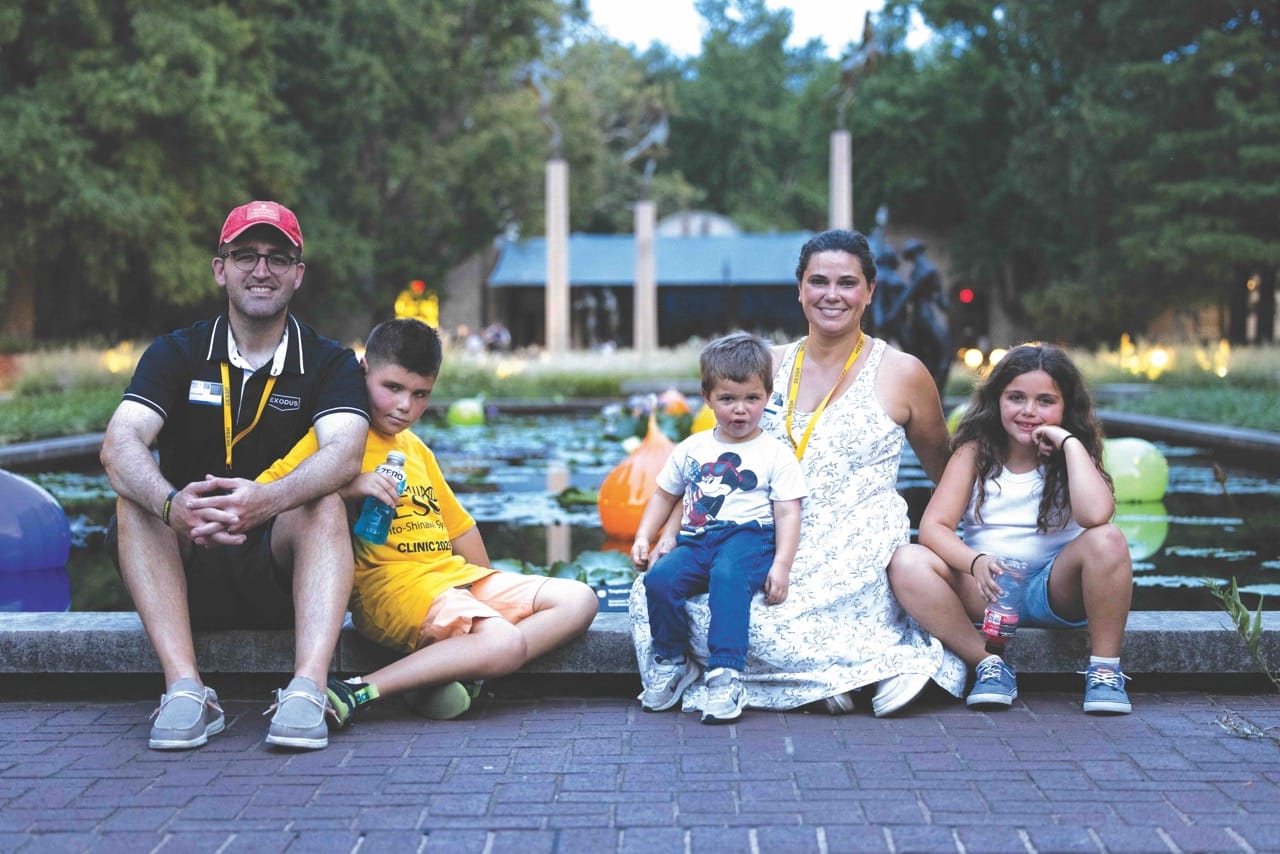
Caitlin Piccirillo, executive director of the DESSH Foundation, and her family. Her son Leo was diagnosed with DESSH in 2016
Piccirillo’s son was diagnosed with DESSH in 2016, not long after the disease was discovered. Researchers, she explains, are in a double bind when it comes to releasing information about a potential treatment for a rare disease, especially when it’s widely available. “It’s a hard position to be in… The [Mayo Clinic’s] approach has very much been to just put this discovery out into the world… I think that’s been done with a lot of good intention because they didn’t want to sit on it knowing that it could help kids, particularly given that all in likelihood the sooner it’s taken the better,” she says.
However, releasing the name of a potential treatment without a clinical trial scheduled has led some parents to go for the faster off-label route. Despite the lack of a published protocol, Piccirillo knows at least five families in the US that have found a doctor willing to prescribe clonazepam for DESSH. She believes there are several more who don’t talk about the decision because of the sensitivity surrounding it. (Families have been informed that they cannot participate in the Mayo Clinic trial if they have already started to use the drug on their own initiative.)
Almost a year has passed since the DESSH community found out about the clonazepam trial through the Kare 11 chat show. “I know it’s not long in the world of research, but for people waiting on the trials it feels like forever. I’m getting emails almost daily now from parents saying: ‘Any news?’,” says Piccirillo, who is helping the Mayo Clinic connect with the DESSH community ahead of their planned clinical trial.
“The fear is that if the wait is too long a lot more people will eventually just go ahead and put their kids on this drug that has no protocol because they are so desperate to start it,” she tells me. “I understand that and I don’t judge it because, believe me, I have my own internal conflict about what to do for my son… but the bigger picture is that it’s a big negative for the community because we lose information that could have been gleaned from that person’s participation in a trial. If we want to progress treatment we need to move beyond a single anecdotal case, so we need data from as many people as possible, we need clinical trials.”
That view is shared by Galloway. On 28th February 2026 – a date selected to coincide with Rare Disease Day, an international advocacy event – he and his wife Dr Laura Galloway launched Rare People, a charity that will run UK-based clinical trials of clonazepam as a treatment for DESSH. The study won’t just benefit the Galloways’ daughter. The charity plans to have around 25 UK-based people diagnosed with DESSH take part in the trial, and up to another 25 to come from abroad.
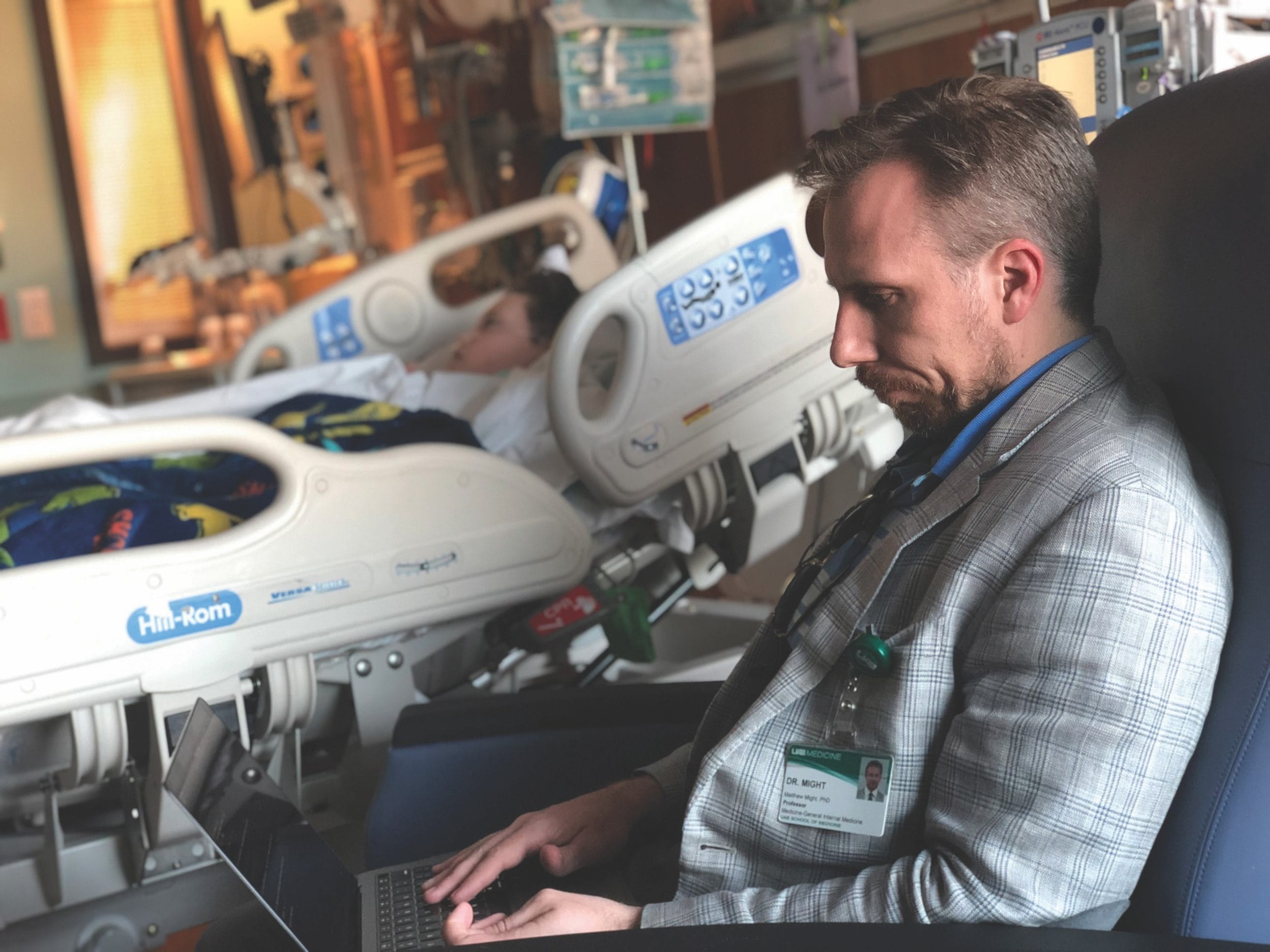
Dr Matthew Might pioneered the use of an AI model to see if an existing drug could be repurposed to treat his son Bertrand’s rare disease
Beyond that, Galloway also sees the trial as being a “proof of concept” that could act as a blueprint for how to carry out future trials for the use of repurposed drugs in tackling rare diseases. “We need a process that’s streamlined. We need a model that can be used next time, so that in the future families don’t have to wait months, or even years, to get their kids into trials for treatments that are already sitting around on pharmacy stockroom shelves,” he tells me. “Our immediate goal is to fundraise for and hold this trial but we don’t want to stop there, because there is so much potential with AI finding other drugs that can be used to treat other rare diseases.”
Around 30 million people have a life-threatening or chronically debilitating rare disease, defined as one that affects fewer than five in 10,000 people. The majority of rare diseases are genetic in origin and present in childhood, and 30 percent of children diagnosed with one die before the age of five.
Treatments for rare diseases, however, are even rarer than the diseases themselves. This is in large part because pharmaceutical companies have little financial incentive to invest in conditions which only have tiny patient groups, when the cost of developing a new drug can be up to £1.5 billion. Currently, less than 10 percent of rare diseases have a drug available to treat them. This figure falls yet further when some of the most common, such as cystic fibrosis and sickle cell disease, are excluded from stats. Around 400 rare diseases account for 95 percent of all rare disease diagnoses, while the remaining 9,600 are distributed across just five percent. Those who are diagnosed with diseases in this five percent are likely to be told there is no treatment, and no research ongoing into one.
Advances in AI, however, could change that, explains Dr Matthew Might, director of the Hugh Kaul Precision Medicine Institute at the University of Alabama. “We’re just now beginning to do this kind of broad exploration of all the knowledge at scale with high precision… It’s not the case that all rare disease is going to suddenly become curable, but AI is going to revolutionise our ability to treat it, manage it and just improve the quality of life for so many people with these conditions,” he tells me. “When it comes to drug repurposing there’s huge potential. I think in the coming years we’re going to unlock a lot of treatment opportunities that have been hiding in plain sight.”
Might became an unlikely beacon of hope for the rare disease community in 2017 when he pioneered the use of an early AI model to see if an existing drug could be repurposed to treat his son Bertrand’s rare disease. To his knowledge, he was the first to do so. Bertrand’s disorder presented in infancy. He had severe developmental delays and hypertonia (abnormally high muscle tone) which left him wheelchair bound, as well as near-daily seizures. For a long time, the exact cause of his illness was a mystery. Eventually in 2012, when Bertrand was four years old, a trial of exome sequencing (a genomic technique that examines the protein-coding regions in a gene, an area believed to be responsible for the vast majority of genetic disorders) yielded a result.
The test, then novel but now routine, found he had inherited a double mutation in the NGLY1 gene, which affects a “transcription factor” known as NRF1 which facilitates the body’s recycling of cellular waste. At that time he was “patient zero”, says Might. “You have this relief of an answer, but simultaneously this terrible news; not only is basically nothing known about the disorder because your child is the first person discovered to have it, but also there are no therapeutics.”
A computer scientist by training, Might had only a rudimentary grasp of genetics when Bertrand was born in 2007; his formal education in biology was at a high school level. But much like Galloway and Kraus, he had to become an expert on his child’s illness. “If you don’t advocate for your child, if you don’t look for a treatment then the reality is it’s probably not going to just show up at your door,” he says.
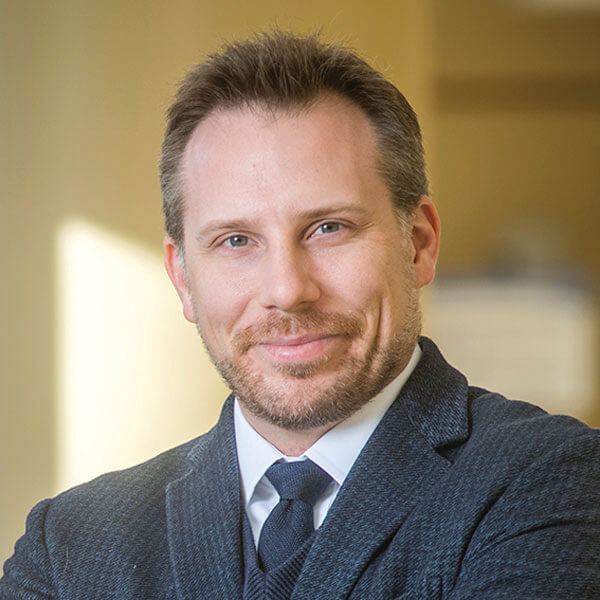
I think in the coming years we’re going to unlock a lot of treatment opportunities that have been hiding in plain sight”
— Dr Matthew Might
Might’s idea was simple, at least for a computer scientist. He would design an AI model to scour the troves of online medical literature for already-available drugs to treat an NGLY1 deficiency. “Rare disease, it’s often such uncharted territory, and I think that’s why you often see this adventurism in the community,” he tells me. “It forces you to have this cowboy spirit.” Might knew that AI could digest a volume of data far larger than the human brain can process and draw logical inferences between connected but scattered biomedical facts to generate hypotheses that a person would be unlikely ever to reach. By limiting his search to drugs that were already FDA-approved he could avoid the gigantic financial and time investment required to develop a novel drug.
Rare diseases, the majority of which are genetic in origin, are particularly amenable to AI-led research, explains Might. “With complex disorders like Alzheimer’s there are a lot of factors involved, most of which we don’t even know about; there are so many targets you might have to shoot at. There’s going to be a lot of trial and error, with a lot of error,” he tells me. “With a rare genetic disorder, unlike almost every other area of disease, you are told from the beginning the exact molecular cause. In most cases genomic sequencing points you directly at the target – there’s no ambiguity. The science can then tell you how to hit the bullseye.”
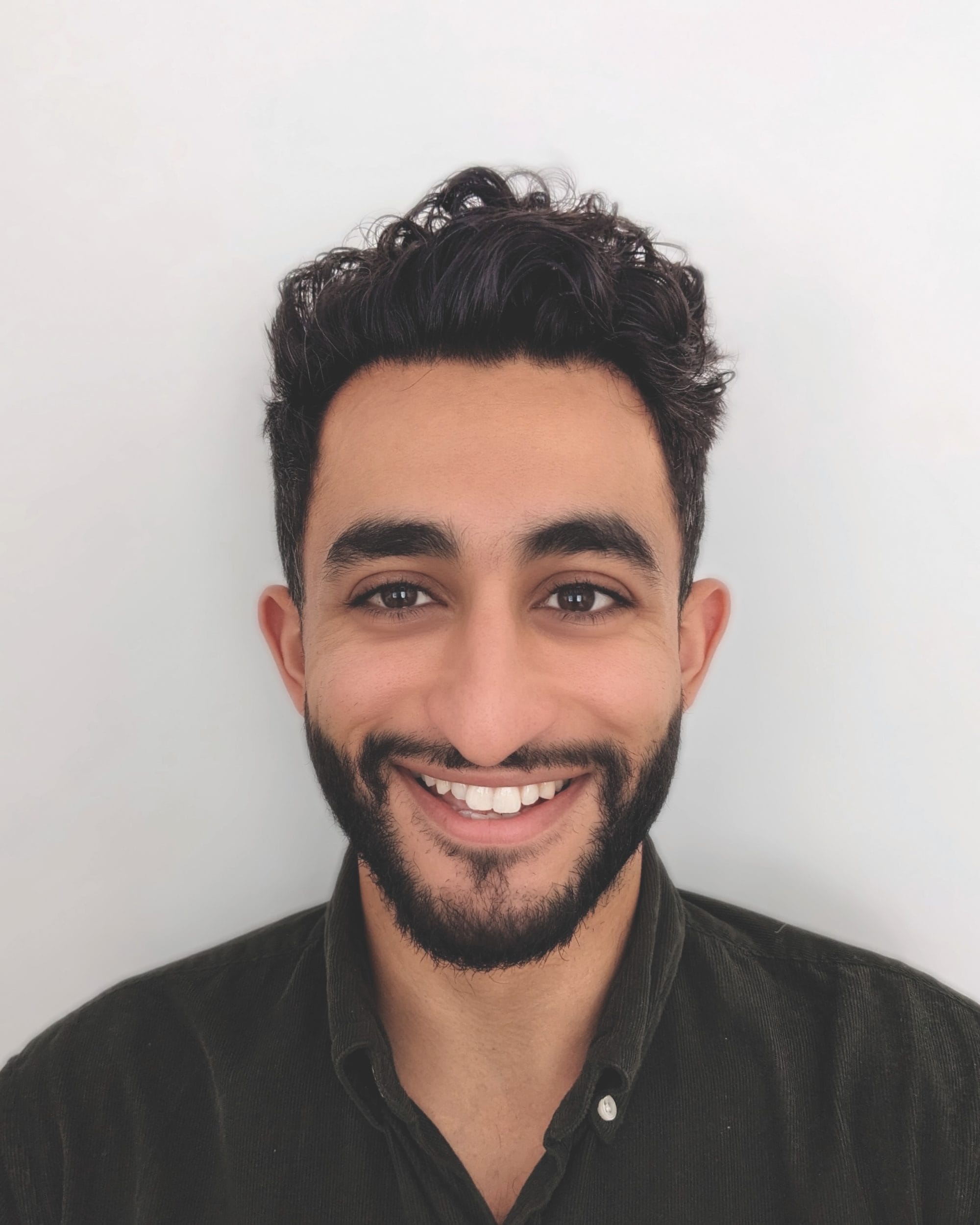
AI tools can help us find needles in a haystack… They have proven invaluable in understanding rare genetic changes”
— Dr Ramy Saad
In 2017, the stars aligned for Might. He’d just taken up his position at the helm of Hugh Kaul Precision Medicine Institute, a move that cemented his Bertrand-inspired career pivot from computer science to biomedical science. It was then that he saw a call for funding from the National Center for Advancing Translational Sciences for their Biomedical Data Translator, a project to build an AI system that could integrate existing medical data sets and help researchers discover previously unknown connections between drugs, diseases and genes. “It was luck, a case of being in the right place, right time because that’s exactly what we were working on,” says Might. His team won the call’s hackathon and they used the $600,000 in funding they won to develop Might’s prototype AI, mediKanren.
His first AI-powered treatment discovery for Bertrand came around a year later, when mediKanren picked up a newly published paper about the unintentional discovery of a connection between a transcription factor called NRF2 and the NGLY1 gene in worms. (Might had programmed the AI to scan the literature weekly for new research findings relevant to Bertrand’s condition). Based on the worm study, the AI proposed that sulforaphane, a naturally occurring antioxidant and anti-inflammatory found in broccoli and cabbage, could work to upregulate NRF2 – a potential compensator for the inactivated NRF1 in NGLY1-deficient patients. Might went directly to the researchers. “I sat in their lab and said ‘If I, or rather my AI, is reading your paper correctly then sulforaphane might be therapeutic for NGLY1 deficiency’. And they said, ‘It seems like that might be true.’”
Condensed sulforaphane pills can be bought online, so Might started his son on them straight away. “I think I did the math on how much broccoli it would take, but it was an absurd amount so we used the pills,” he tells me wryly. Shortly after, Bertrand was able to start using an eye-gaze assistive communication device for the first time, a development that Might attributes to mediKanren’s discovery.
Bertrand tragically died in 2020 aged just 12. However, his legacy through Might’s work has lived on. Both the mediKanren and the Biomedical Data Translator AIs, which are open-source, have become valuable for rare disease researchers; both were used by the Mayo Clinic BabyFORce team in their search for a treatment for Jorie.
Might anticipates that as AI evolves, the speed of discoveries will pick up pace. In the nine years since the mediKanren was launched, advances in generative AI have made the program much easier to use. Previously Might had to train undergraduates to ‘speak’ the language of mediKanren. “It was a very tight language of logic that’s extremely unnatural, a kind of Baroque syntax of unusual semantics, but now that’s no longer necessary – you can essentially just speak normally and the AI will translate that into the language of logic,” he explains.
One day, Might speculates, generative AI might go a step further and fill in research blanks: “We’re all familiar now with tools like ChatGPT, where you’re training models to predict the next word, and that’s amazing. But there are other languages out there. DNA is a language. Proteins have their own language. So, there are groups now that are working on building language models, not over English but over natural languages. They’ve brought in the genomes of every organism that’s ever been assembled and said, ‘OK, can you predict what you think belongs here now?’”
Ultimately, he explains, that will mean researchers don’t have to wait for a missing piece of the jigsaw puzzle to be discovered by chance. “You won’t, for example, have to wait for a study on worms to be published that accidentally establishes the link between NGLY1 and NRF2, because AI will be able to propose this link itself.” For now, however, AI is only as good as the data it can mine – and that is still lacking. In the vast majority of cases, around 85 percent, mediKanren produces no medically viable results when asked to search for drugs to be repurposed to treat rare disease. “Usually what comes back is: ‘We don’t have anything for you today, but if you were to do one more experiment, this would be the one worth doing’,” Might explains.
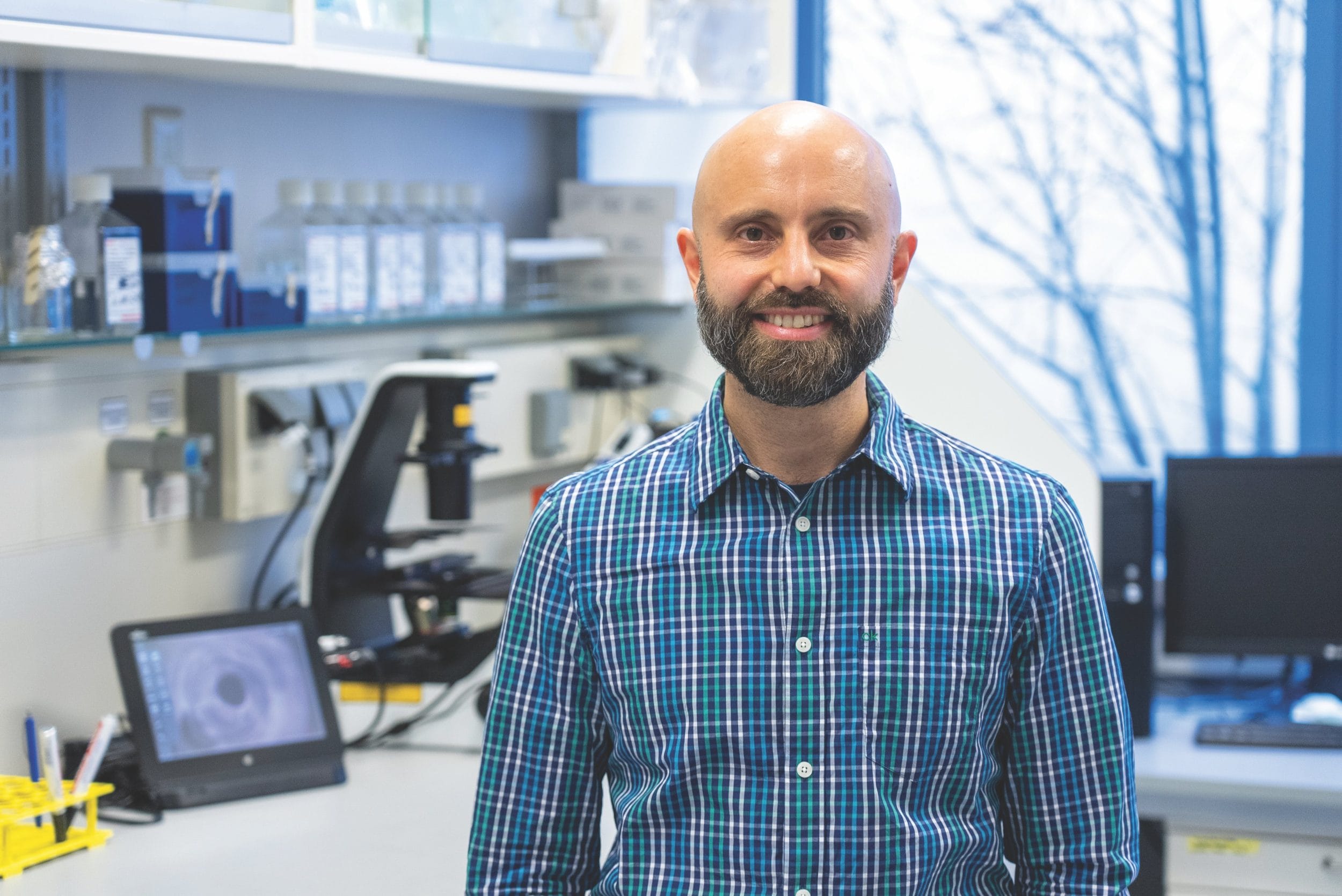
Dr Alessandro Prigione is running trials on Sildenafil (aka Viagra) as a treatment for Leigh syndrome, a rare disease that affects children
One obstacle to progress is the limited feedback AI gets on its findings. Even when a drug it suggests is prescribed it is often, as in Jorie’s case, given off-label to a single patient. Between 2018 and 2022, the Hugh Kaul Precision Medicine Institute team made 20 recommendations for repurposing therapeutics using mediKanren. In over half of these cases, the suggested drugs were taken up by the patient’s physician, but only one of these progressed to a clinical trial phase.
“It’s a problem,” says Might. “From a scientific perspective, absolutely the right thing to do is to start amassing the community and running a clinical trial, but unfortunately, right now, the regulatory infrastructure is built for large disorders. With rare diseases there often aren’t enough patients in the world to achieve the statistical threshold being asked for. What we need is new models for how to do clinical trials… scientifically valid but still realisable with ultra-small populations – and that’s not easy.”
“The requirements for this kind of research are extremely high… it’s taken us a long time to get to a research design that is both practicable and which can satisfy the EMA [European Medicines Agency],” says Dr Alessandro Prigione, professor of paediatric metabolic medicine at Heinrich Heine University in Dusseldorf, Germany.
Prigione’s research team is collaborating with Professor Markus Schuelke, a paediatrician at the Charité Hospital in Berlin, Germany, to conduct clinical trials looking at the efficacy of Sildenafil (aka Viagra) as a treatment for Leigh syndrome, a rare mitochondrial disease which affects children, who have a life expectancy of just two to three years after the onset of symptoms. One of the biggest challenges he faces as a rare disease researcher is how to conduct a clinical trial without having a placebo group. Because treatments for rare conditions are often potentially life-saving or -altering and patients are frequently children, withholding a drug from a control group is not considered ethical.
In order to overcome this, Prigione’s research, which is funded by the Horizon European Commission initiative to support scientific research, will use a withdrawal design in which all participants are initially given Sildenafil. One group will then be withdrawn from it. If their condition deteriorates they will be placed back on Sildenafil. “This is the solution because ethically we can’t have a situation where someone does badly when they are withdrawn from the drug and they have to continue taking the placebo for a year, or even a month,” he tells me.
We desperately need to find a way to cut through the red tape”
— Dr Rob Galloway
This research design means that Prigione’s team will have to recruit more participants than he had initially planned on in order to ensure the results reach statistical significance. Although he only needs 60 participants, finding even this many people with an ultra-rare condition like Leigh syndrome, which affects 1 in 40,000 people, is challenging. “Even though we are focused on the most common mutation of Leigh syndrome, it is still a very small pool of people,” Prigione says. “The only way we can combat this is to extend the recruiting sites. We have Germany, the Netherlands, Italy, France and Spain as trial sites and we are discussing whether to also go to Finland.” The numbers problem is further complicated by different regulatory environments, which is why his team ultimately had to rule out conducting trials in the UK, Canada and Australia.
Finding ways to move beyond the scientific ‘gold standard’ of a randomised blinded trial with small populations and high stakes is one of the biggest challenges faced in rare disease research. It’s one that will only increase as AI generates more suggestions faster. “AI tools can help us find needles in a haystack. I use AI tools almost every day in assessing rare variants, and they have proven invaluable in modelling proteins and understanding rare genetic changes,” says Dr Ramy Saad, a clinical geneticist at University College London and Great Ormond Street Hospital. “However, these tools have limitations and do get things wrong, so they need to be used with great care and caution.”
One exciting part of the future in rare disease therapies, he says, is “to leverage the screening power of AI, to triage the best candidates for other forms of scientific validation. If, for example, an AI tool can screen thousands of potential therapeutic compounds to identify three that might bind a specific protein, and we can then test these three in a lab to confirm this finding, that is a very big leg up [compared to what] was available five years ago.” In November 2025, the UK’s Medicines and Healthcare Products Agency announced it was writing a “bold new rulebook for rare therapies” to make it quicker and easier to get drugs tested, manufactured and approved for rare diseases. Among the areas being reviewed by the UK regulatory authority is how real-world data can be combined with AI-based and machine learning model evidence as part of the regulatory process. Also under consideration is how to develop a new rare disease-specific pathway to regulatory approval that would accommodate smaller-scale clinical trials while still safeguarding patients and scientific standards.
For Galloway the review is much-needed and long overdue. “We desperately need to find a way to cut through the red tape,” he tells me. As we talk Frankie is nestled on his lap sucking her thumb. The family are about to take a short break to Euro Disney. “It’s great for disabled kids,” says Galloway. It will be a brief moment of relief for the family. Since Galloway learned about Jorie’s treatment with clonazepam in summer 2025 he’s been working flat-out to get a clinical trial set up in the UK. “I’ve gone part-time now to give more energy to this,” he tells me. “It’s really become my life’s work.”
Rare People hopes to get the UK-based trials of clonazepam up and running in the coming months. Time is of the essence. Because WAC protein is so crucial to early brain development, Galloway fears that the older Frankie gets, the less impact the drug will have for her. “It’s an incredibly heavy weight on me,” he says. If we don’t get this trial approved soon, I might miss that window of opportunity and that’s something I’ll have to live with.”
Slow Journalism in your inbox, plus infographics, offers and more: sign up for the free DG newsletter. Sign me up
Thanks for signing up.
More stories...

Fauja Singh: 1911-2025

“A 19th century war, with 20th century tactics and 21st century technology”
A conversation with Ukrainian historian Serhii Plokhy as the war with Russia entered its fourth year

Marianne Faithfull, 1946-2025
Musician and producer Rob Ellis on the life and career of the 1960s icon


