Inside DG #60: The Colombian soldiers fighting for Ukraine
A Q&A with the writer of our story on Colombian soldiers in Ukraine from issue 60 of Delayed Gratification
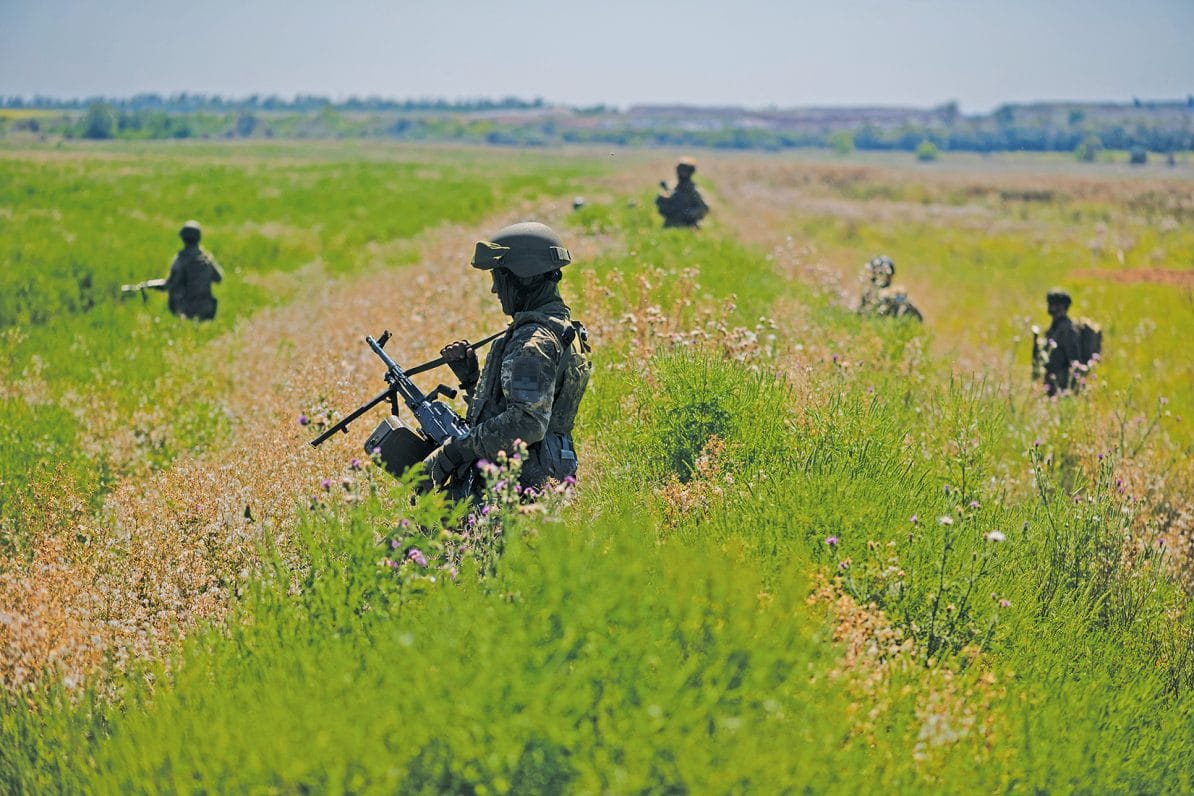
The 60th issue of Delayed Gratification features a piece by Emily Hart about the Colombian recruits in the Ukrainian army, who are fighting on the front lines of a foreign war far away from home. Foreign soldiers have been recruited by both sides in the conflict – thousands of fighters from North Korea, Cuba and several African countries have bolstered the Russian ranks, while Colombians are travelling to Ukraine in unprecedented numbers. Delayed Gratification associate editor Matthew Lee spoke to Emily about her work on the story…
Matthew Lee: How did you first become interested in Colombian soldiers fighting in the war between Ukraine and Russia?
Emily Hart: Ever since 2021, when a group of Colombian mercenaries assassinated Haitian president Jovenel Moïse in his home, I’ve been tracking cases of Colombian former soldiers turning up across the world in assassinations, cartels, and conflicts – from Ecuador to Sudan. But last year, I started to see snippets about Colombians recruited to the Ukrainian army. I immediately felt it was a distinct phenomenon, and something worth digging into. This story is, in some ways, about inequality, but it also touches on one of the areas which fascinates me most – the ugly overspills and unforeseen (often far-reaching) consequences of Colombia’s civil conflict, and conflict more generally.
ML: You spoke to 30 soldiers for the piece. How did you find people to speak to, and was it a challenge getting people to open up about their experiences?
EH: This investigation required me to go to a place I have tended to avoid at all costs – TikTok. I found myself diving headfirst into a fever-dream whirlpool of recruiter-influencers, conflict content and info-wars. I joined livestreams run by Colombian recruiters and sent messages to anyone I saw commenting – some interested in joining up, some calling the recruiters liars, and even family members looking for information about missing loved ones. I went through lists of likes and reposts, looking for Ukrainian and Colombian flags in ‘bios’, and learnt to recognise uniforms and brigade names…
Eventually TikTok started working out my ‘interests’, and I could scroll my ‘for you’ page, being presented with possible sources by the algorithm itself. A whole new meaning to the term ‘doomscrolling’… I had a pretty broad range of responses: some – quite justifiably – told me to fuck off, one particularly charming individual announced on a TikTok Live that I was a Russian spy.
But there were a lot of soldiers who did want to talk – some wanted to share their stories, others were, I suspect, just bored – waiting around in barracks and bunkers near the frontline. Others are whistleblowers – desperate for others not to buy what they’re sold on TikTok, wanting to share the grim realities of this war.
ML: Did you find it hard spending time with young men in Bogotá right before they left the country in the knowledge that some might never return home?
EH: The honest answer is yes, I did. I sat with 11 recruits in a halfway house, and we ate scrambled eggs and drank hot chocolate together, and they told me about their lives and what they hope to do with the money they save in Ukraine – getting out of debt, owning their own home, starting an ice cream shop, providing for their families.
By this point, I was a month into interviewing guys on the frontline, so I had some sense of what awaited them in Ukraine. Later that day, accompanying three of them to the airport, I had to suppress mad urges to run off with their passports or stage a bomb scare – anything to stop them getting on the plane. Instead, I had to wave them off at the departure gate like an incongruous army wife. So absolutely, it had tough moments, but I think emotional responses to the people and stories I cover are useful – just another type of information. And I feel lucky to work on issues I care deeply about. I owe a huge amount to incredible magazines like Delayed Gratification, which (against all odds and market incentives) commission this kind of writing.
Two of the three from the airport have since sent me messages saying they’re trying to get out – saying it’s an inferno, that they’re not being paid what they were promised. One of the recruits I ate breakfast with that day – a quiet guy from Medellín with dyed-blue hair – is already dead, killed on the battlefield last month.
You can read the full story on the Colombian soldiers fighting in Ukraine in issue 60 of Delayed Gratification, available from our online shop here.
Slow Journalism in your inbox, plus infographics, offers and more: sign up for the free DG newsletter. Sign me up
Thanks for signing up.