
Inside DG #55: Too much skin in the game?
A Q&A with the writer of our story about melanoma from issue 55 of Delayed Gratification
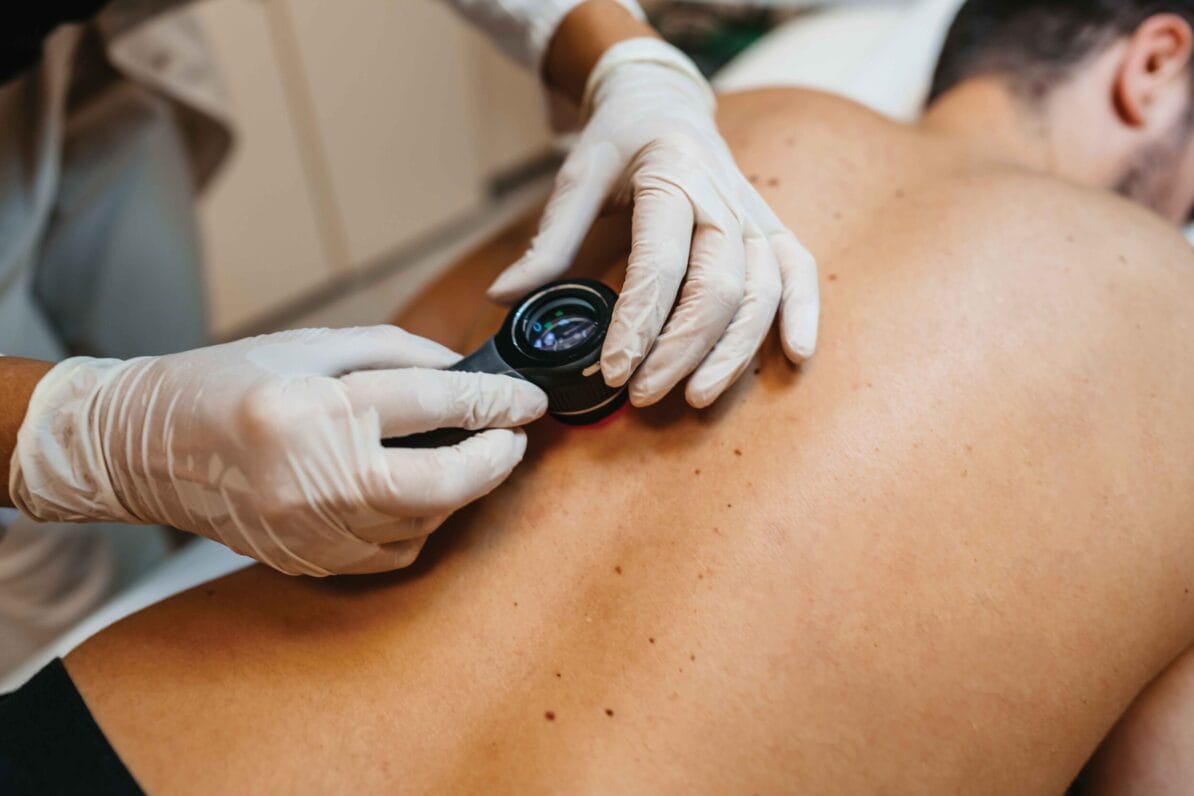
Photo: Getty Images
The 55th issue of Delayed Gratification features an article by Duncan Craig about the sharp global rise in cases of melanoma, the deadliest form of skin cancer, and how a shift in our attitude towards the sun could help prevent future deaths. Delilah Hodgkinson speaks to Duncan about how his personal experience of the disease motivated him to write the article.
DH: What is the current global situation regarding the prevalence of melanoma?
DC: In a word, spiralling. In the UK, cases have gone up by a third over the past decade – it’s currently killing 44 people a week. Globally, cases have increased by nearly 50 percent over that same period to 287,000 a year. People are obviously living longer and awareness of melanoma is rising – more people are getting screened and getting checkups – so that contributes to the rising prevalence, but you can’t ignore the fact that it’s on the warpath. But I think what’s particularly worrying is what’s baked in, how a lot of the damage has already been done.
DH: Could you tell us about your own experience with skin cancer?
DC: I was diagnosed with malignant melanoma, which was obviously a huge shock. But after various excisions and biopsies it was found not to have spread. Spreading melanoma, or metastatic melanoma, is a whole different ball game. That’s when it gets incredibly serious incredibly quickly and there’s a big threat to life. I’m abundantly aware that I got off lightly, particularly in comparison to too many others. When I was in my early twenties I lost a friend to melanoma. She was in her early twenties too, and that just shows what a lethal foe this is.
DH: Did your personal experience make you more motivated to spread awareness about the disease through your work?
DC: Absolutely. The thing that you learn about melanoma pretty quickly after you are diagnosed with it is the astonishing fact that up to 90 percent of melanoma is preventable, and that’s because it’s to do with the absorption of UV rays – sun exposure. My case was complicated slightly by the fact that there were genetic factors involved, but the bottom line is that 90 percent of this is preventable for most people. So why on earth wouldn’t you try and raise awareness?
DH: How do you feel when you see people failing to take precautions against the sun?
DC: I am hugely aware of it now in a way that I wasn’t before, and it makes me feel conflicted. Like many people in this country I’ve certainly been careless around the sun. It took me till my mid-forties to realise the difference between UV rays and heat. I’d go on a beach holiday and not realise that between about 10:30am and 3pm is a lethal period in terms of UV. I want to go out and tell people this, but equally, it’s a mistake that I made for a long, long time. The other thing that people fail to do is use suncream correctly. I’ve become aware of that now and I notice it an awful lot.
DH: The creation of the new vaccine treatment for melanoma, the personalised mRNA vaccine, was announced in June, accelerated by scientific advances made during the development of the Covid vaccines. Are you optimistic that the future will see fewer deaths caused by melanoma?
DC: On balance I am. There’s no doubt that this is a really positive development. The science behind it is really impressive. However, it is very much cure rather than prevention.
You can read the full feature by Duncan Craig in issue 55 of Delayed Gratification, available from our online shop here.
Slow Journalism in your inbox, plus infographics, offers and more: sign up for the free DG newsletter. Sign me up
Thanks for signing up.