Inside DG #55: A foreign field
A Q&A with the writer of our story about foreign volunteers in Ukraine from issue 55 of Delayed Gratification
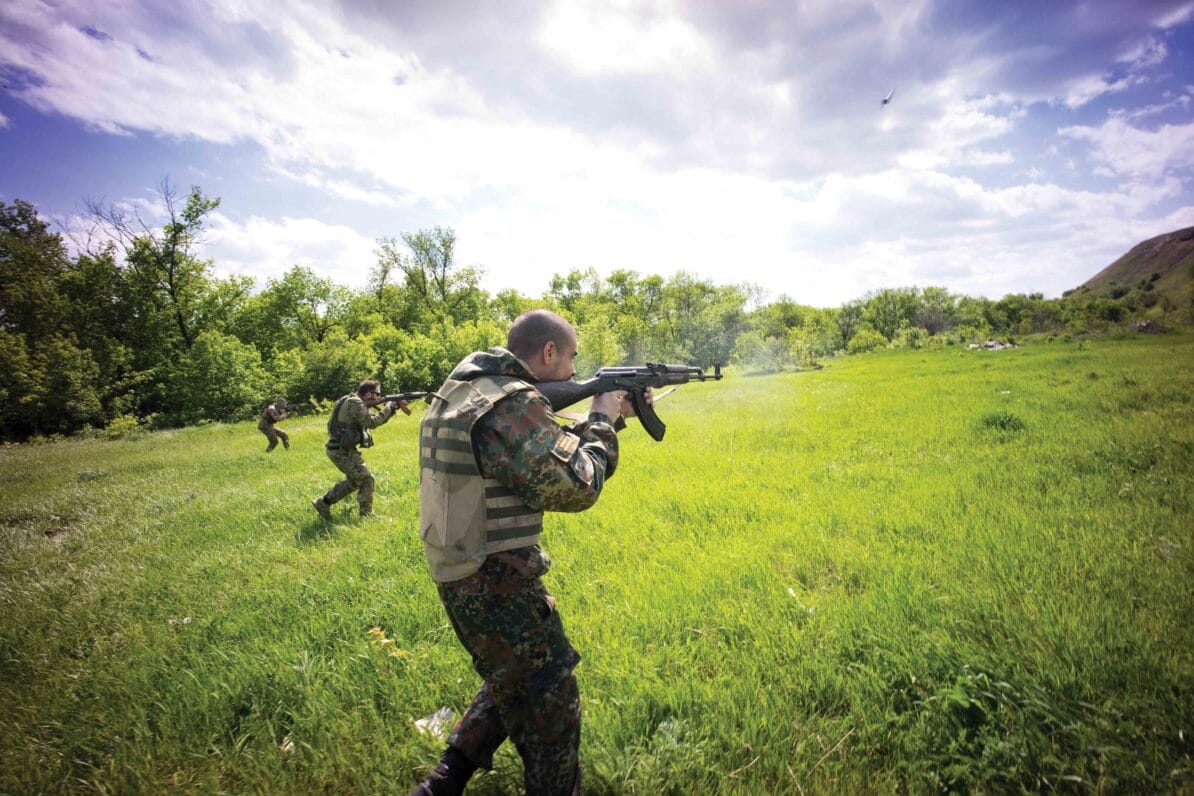
Photo: Getty Images
The 55th issue of Delayed Gratification features an article by editor-at-large Harriet Salem about why international humanitarians and fighters in Ukraine put their lives at risk to defend a foreign country. Delilah Hodgkinson speaks to Harriet about her experience of meeting foreign fighters and hearing about their hopes, fears and motivations.
DH: Why is this an important topic to cover?
HS: It’s an issue which has come up since the conflict started in 2014, when Russian-backed militants seized towns in eastern Ukraine. By 2024 the number of internationals killed fighting for Ukraine had reached around 400. Obviously we don’t have any troops from western nations engaged in fighting in Ukraine, so the death of 400 citizens of western nations is not insignificant. When you read the reporting on the internationals, there tends to be more focus on the drama or the action, and I felt there wasn’t much which really gave nuance or went into depth about what motivated these men – and it is mostly men – to go over there. What motivated them to take an extreme decision, one which puts their lives on the line?
DH: How did you conduct your research?
HS: I managed to get into contact with quite a lot of foreign fighters via social media and once I had one interview secured it was pretty much a snowball effect from there. I think the most challenging part was getting people willing to speak on record. It’s a controversial issue. It may affect employment, may affect issues with families and friends, all kinds of things. It can also be tricky getting quite macho men to talk about deeper feelings or emotions and motivations.
DH: What significant similarities did you notice between the lives of the people who chose to volunteer?
HS: In very broad terms a common characteristic was people that were looking for something deeper in their life. But I would suggest reading the piece because I explore this in depth!
DH: Ukraine’s International Legion uses persuasive slogans on its website to call for foreign volunteers. What is the UK government’s approach to Britons volunteering to fight in Ukraine? And what do you think its position should be?
HS: Liz Truss, when she was foreign secretary, essentially encouraged British citizens to go by saying British citizens won’t face prosecution for fighting in Ukraine. Since then the attitude has been much more discouraging – warning people that they may face prosecution, that they shouldn’t travel to Ukraine. That said, in practice, the British policy seems to be to not pursue anybody or charge anybody with any offences for travelling to Ukraine to fight. I think that’s probably about the right balance. I don’t think people should be encouraged to go there. Obviously it carries significant risks, not only in terms of being killed or seriously injured, but also to mental health. That said, we are supporting Ukraine in every other aspect of this war so people have to have some freedom to do as they want. As long as people don’t commit war crimes while doing that, then I suppose you can’t stop them. It’s also very interesting when you start to think about other careers, like, for example, being a journalist in a conflict zone or being a humanitarian worker that does frontline humanitarian work. People do lots of high-risk things and it’s not illegal. It’s always interesting to look at a group of people who are willing to take a high degree of risk in their jobs or in the pursuit of their ideals.
You can read the full feature by Harriet Salem in issue 55 of Delayed Gratification, available from our online shop here.
Slow Journalism in your inbox, plus infographics, offers and more: sign up for the free DG newsletter. Sign me up
Thanks for signing up.